

Last Friday, we pointed out a concern about the rapid growth of AI. Model prices are dropping fast. One provider even cut prices by 80 percent as more affordable Chinese systems caught up. This led us to wonder: if intelligence keeps getting cheaper, will the world need much less computing power than what is currently being built?
Today’s research gave us an answer, and it turned out our concern was misplaced. Here’s what we found.
Right now, the average company spends less than $11 a month on AI. The work that this spending replaces is worth about $55, with each task costing between $2 and $5.
Think about that difference for a moment, because it’s the main point.
At current prices, most tasks in the economy are not worth automating. It’s not that the technology can’t handle them, but the math doesn’t work out. The value of the work is less than the cost of the tool, or so close that it’s not worth the effort.
Now imagine the model’s price is cut in half.
This doesn’t lower the computing needed for tasks already running: they keep going as before. But it does make a lot of tasks that weren’t worth automating before suddenly become worthwhile.
Cheaper doesn’t mean less demand. It means more things become possible.
This pattern isn’t new. When steam engines became more efficient, Britain ended up burning more coal, not less, because it made steam power useful in more places. As the technology got cheaper, overall use increased.
And there is a second half to this that we think is the actually investable part.
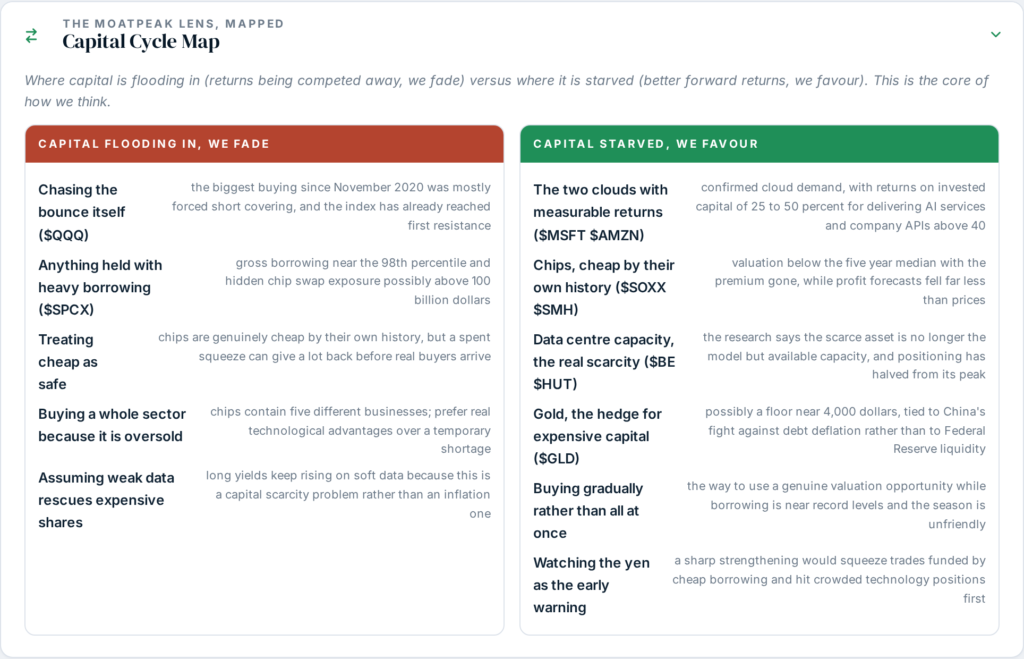
If the model is no longer the bottleneck, something else must be. The research is clear: the scarce resource now is not the model, but available data center capacity.
That relocaThis changes the whole discussion. If you’ve been trying to figure out who benefits from AI by looking at model quality, you might have been focusing on the wrong thing. The real opportunity is where resources like buildings, land, power, and long-term planning are needed. On its own, this does not settle the wider argument about whether the total capital spent will earn its cost. That remains genuinely open, and we have written at length about why. This narrower worry, that falling model prices destroy compute demand, is the one the evidence just addressed.
What does this mean for you? When it gets cheaper to make something you own, don’t assume demand will drop. Instead, ask what was too expensive before. Sometimes a lower price kills a market, but more often, especially with general-purpose technologies, it creates new ones. The key is whether many uses are waiting just above the old price. We think the scarcity now sits, and what we would want to own because of it, is in today’s Compass.
Read it at https://moatpeak.com
Educational research only. Not personalized investment advice. MB “MoatPeak Group”.
Get the Weekly Explainer
The biggest market story explained, every week. Free, by email.
Explore the research library
Company, industry and market reports with sources, charts, possible outcomes and the full evidence.
More free explainers
Markets, companies, portfolio basics and investing foundations. All free articles.
Back to Learn