

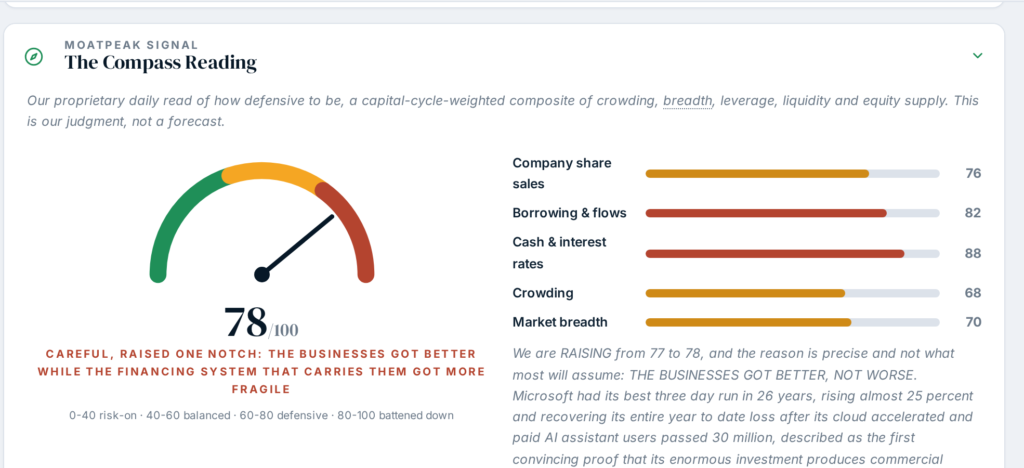
If you focused only on that number, you might think nothing important is going on.
But that number doesn’t tell the whole story.
Right now, demand for protection against a drop in long-term government bonds is the highest it’s been since the financial crisis. Bond market volatility is also at its highest since May. The 30-year interest rate is close to where it was back in 2007.
This is more important than it might seem. Government bonds are the foundation for the whole financial system. When their prices become uncertain, the value of the assets backing a huge amount of borrowing also becomes unclear. That kind of instability spreads to stocks, credit, and currencies, whether people like it or not.
There’s also a fact that really caught our attention.
Japan just made its biggest currency intervention ever, almost 100 billion dollars. This moved the yen by about 4 percent, from around 164 to 157.
That’s a hundred billion dollars for a four percent move.
This wasn’t a rescue. It’s more like a receipt, showing just how much pressure is working against the yen. The interest rate gap is still over 200 basis points, so borrowing in yen to invest elsewhere is still profitable. The main incentive hasn’t changed. The authorities just bought some time, but the situation itself is the same.
We see that crisis-level hedging in the bond market, a record-breaking currency intervention that barely made a difference, interest rate expectations moving forward by a whole year, and the equity fear gauge staying quiet.
One of these signals doesn’t fit.
Historically, that kind of gap does not stay open for long. And it is not usually resolved by bonds and currencies calming down to meet the equity market’s mood.
There’s a fair counter-argument that’s worth considering. The equity fear gauge could be low for a good reason: company profits are truly strong, results have been solid across all sectors, and two of the biggest tech companies just showed their investments are paying off. When earnings are this good, it makes sense for the stock market to be calmer than the bond market, which is dealing with long-term interest rate uncertainty.
That could be true. But it’s important to notice that this view assumes the stock market is right, while the bond, currency, and interest rate markets are all wrong at once.
What does this mean for you? When one risk measure is calm but several others are not, the calm one is usually not the best informed. It’s often just the most crowded, because many people are quietly selling protection while it seems cheap. Before trusting the market everyone is watching, take a look at the ones nobody is paying attention to.
We explain what we’re doing about this gap, and what would change our view, in today’s Compass.
Read it at https://moatpeak.com
Educational research only. Not personalized investment advice. MB “MoatPeak Group”.
Get the Weekly Explainer
The biggest market story explained, every week. Free, by email.
Read the complete Member report
Sources, charts, possible outcomes and the full evidence behind this article.
Then $19/month. Cancel online before the trial ends.
More free explainers
Markets, companies, portfolio basics and investing foundations. All free articles.
Back to Learn